Vol. 04 — 2026 London, England Evidence-Informed

Observe.
Nourish.
Sustain.

An independent editorial publication examining the food and weight connection through peer-reviewed research, documented eating patterns, and evidence-informed analysis of long-term nutritional rhythm.

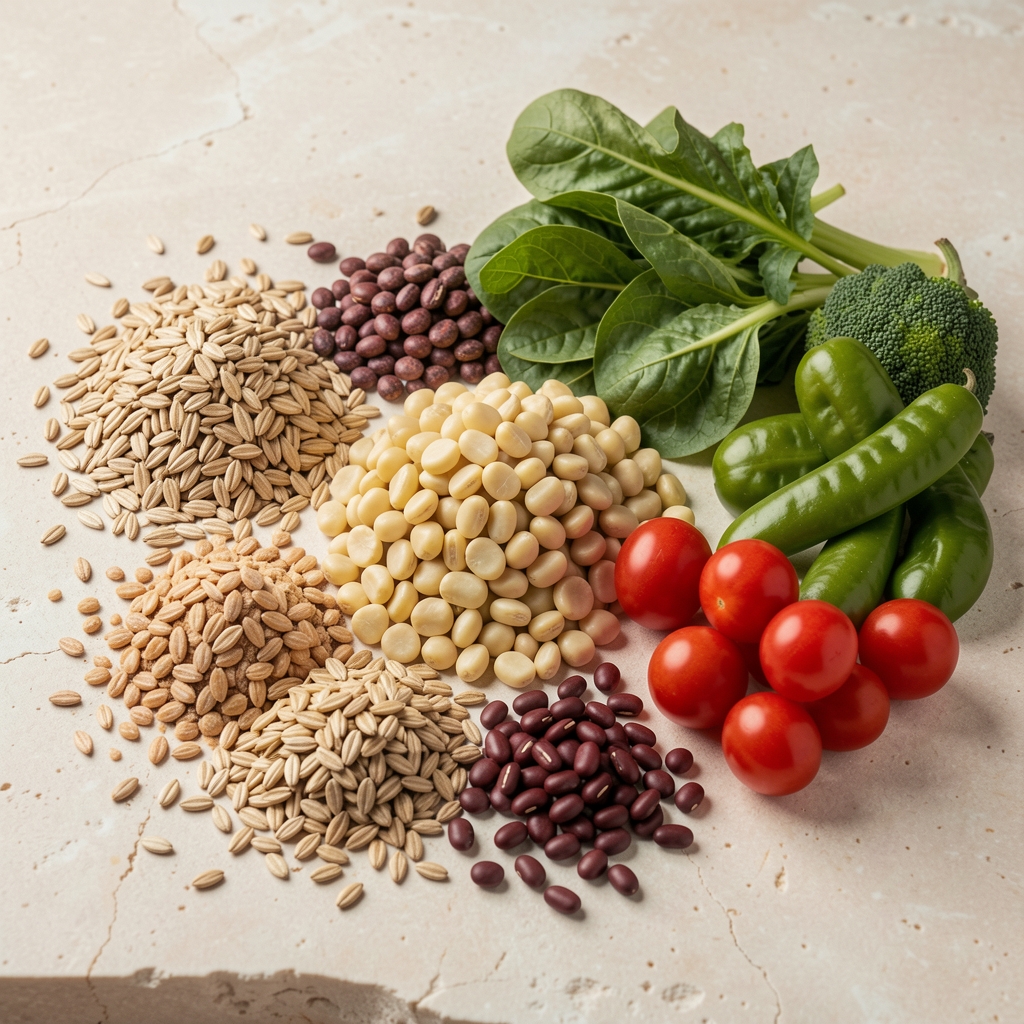
Spread of whole grains, legumes, and fresh vegetables arranged on a pale stone surface under controlled studio lighting, representing nutrient-dense whole food choices
Nutrient density — field documentation
Calorie Awareness Nutrient Density Eating Patterns Portion Perspective Energy Balance Whole Food Choices Fibre and Fullness Balanced Plate Approach Protein and Satiety Long-Term Eating Rhythm Calorie Awareness Nutrient Density Eating Patterns Portion Perspective Energy Balance
47 peer-reviewed sources cited
12 long-form articles published
3 contributing editors
08 min avg. reading time
01 — Featured Reading

Recent Publications

Close-up of a food journal open on a wooden desk beside a small bowl of whole grains and a glass of water, morning light filtering from a nearby window
Calorie documentation — London, Jan 2026
Calorie Awareness

The Calorie Record: What Energy Accounting Actually Shows

A close reading of published nutritional research on calorie tracking reveals that the relationship between recorded intake and body composition outcomes is considerably more nuanced than popular accounts suggest. Measurement context, meal structure, and food quality over quantity all intersect in ways that aggregate data routinely obscures.

Eleanor Whitfield · · 9 min read
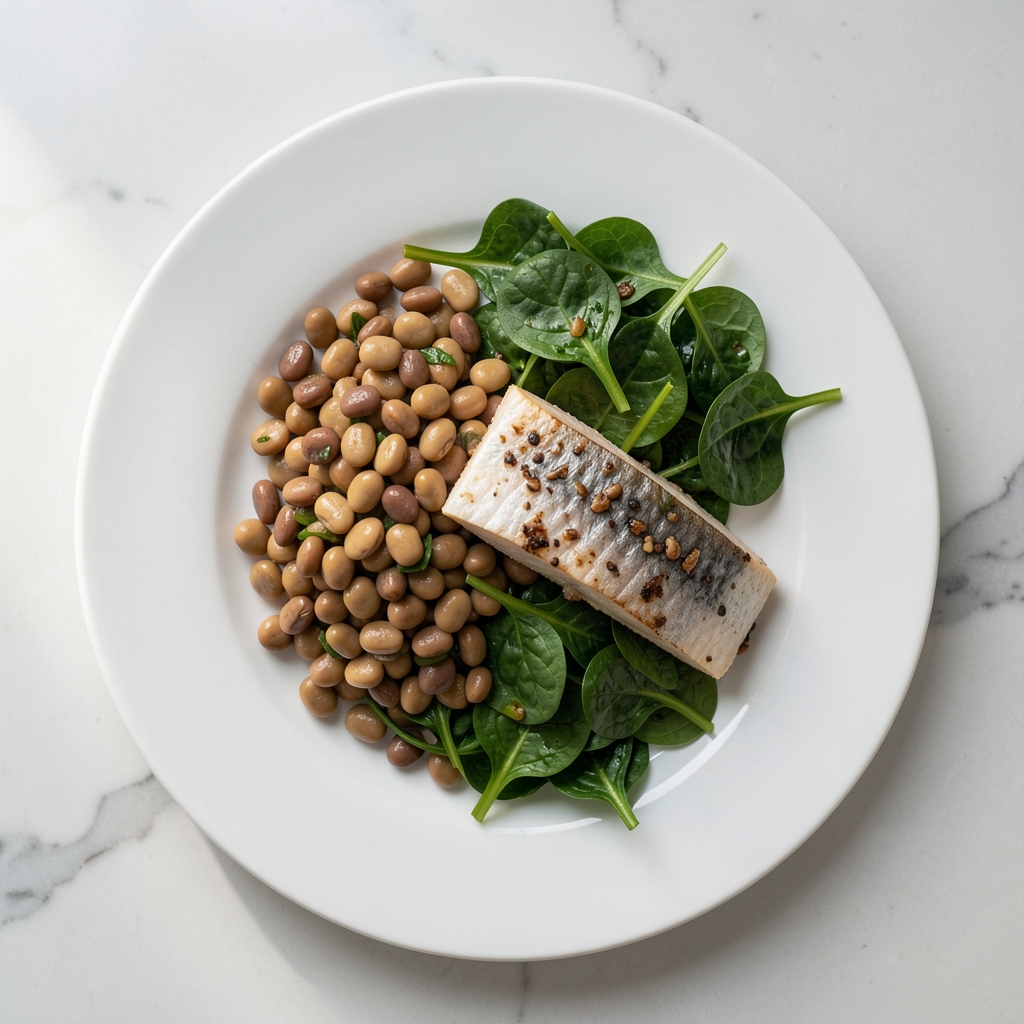
Overhead view of a balanced meal with legumes, leafy greens, and a portion of fish on a white plate, photographed on a clean kitchen counter with natural light
Plate composition — London, Mar 2026
Fibre and Fullness

Fibre, Fullness, and the Architecture of a Balanced Plate

The fibre and fullness relationship provides one of the more robust data points in the broader field of long-term eating rhythm research. This article traces how plant-based eating patterns intersect with satiety signalling and what the balanced plate approach looks like when reviewed against published nutritional composition data.

Eleanor Whitfield · · 10 min read
Editorial workspace with open notebooks, printed research articles, and a ceramic mug on a dark oak desk with controlled warm lighting from a desk lamp
Editorial process — Sekforde Street office
About the Publication

Precision over generality. Rhythm over restriction.

Talrona Press is an independent editorial publication focused on the relationship between everyday food behaviour and long-term body composition. Each piece is reviewed against published nutritional research, with sources cited where appropriate and corrections noted publicly. The publication operates without commercial relationships to supplement brands or dietary products.

The editorial position is that energy balance explained correctly — accounting for nutrient density, protein and satiety, processed food awareness, and meal structure — provides a more reliable framework for understanding weight than single-variable approaches. Articles engage with that complexity directly rather than reducing it to actionable formulas.

03 — Subject Areas

Documented areas of inquiry

Energy Balance

A precise account of how calorie awareness, macronutrient ratios, and eating frequency interact with body composition over extended periods. The publication focuses on energy balance explained across varied dietary contexts rather than single-protocol analyses.

Whole Food Composition

Nutrient density, whole grain benefits, and plant-based eating patterns examined through composition data and published dietary research. The emphasis is food quality over quantity: what a food delivers per calorie, not merely what it subtracts.

Eating Rhythm

The timing and structure of meals — meal structure and weight, long-term eating rhythm, and weekly food rhythm — examined through longitudinal dietary studies. Patterns over time, not single-session measurements.

Satiety Signals

Protein and satiety, fibre and fullness, and hunger signals investigated through published research into appetite regulation. The practical question: which nutritional variables reliably correlate with reduced caloric intake over time?

Processed Food Assessment

Processed food awareness reviewed through compositional analysis: additive density, fibre displacement, and the relationship between ultra-processed food intake and long-term weight outcomes in epidemiological literature.

Portion Perspective

Mindful portion habits, the balanced plate approach, and portion perspective reviewed against real-world dietary adherence data. How volume estimation affects intake accuracy and what the research suggests about intuitive versus measured approaches.

Editorial Position
"The most reproducible finding in long-term dietary research is not that any single food group is uniquely beneficial, but that eating patterns maintained consistently over months produce outcomes that no short-term intervention can replicate."
Eleanor Whitfield, Editor — Talrona Press
04 — Reader Questions

Common questions on food, weight, and the publication

The editorial team selects questions that reflect genuine reader uncertainty about nutritional concepts covered in the publication. Responses are brief and reference published research where applicable.